Complaints Procedure for Commercial Waste Weybridge
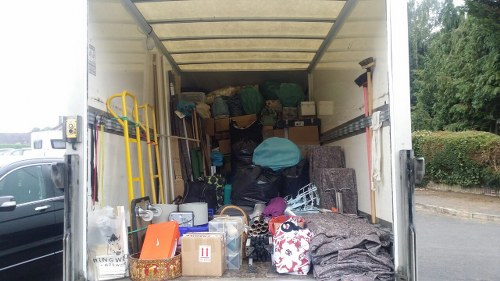 This document sets out the formal complaints procedure for Commercial Waste Weybridge and related business waste services. It explains how concerns about commercial rubbish collection, disposal or site services are handled by the provider, the standards to which complaints are investigated, and the expected timescales for resolution. The aim is to ensure a clear, consistent and transparent approach so that service users and commercial customers understand the process and can follow it confidently.
Scope and Principles
Our procedure covers the full range of commercial waste services in Weybridge, including scheduled collections, contaminated loads, missed pick-ups and invoicing disputes. The process is built on core principles: fairness, impartiality, timely response and thorough record keeping. All complaints are treated seriously, investigated promptly, and handled with discretion to protect commercial confidentiality. We prioritise restoring agreed service levels and preventing recurrence through corrective action.
 Anyone receiving services from our commercial refuse operations — business customers, site managers, or authorised representatives — may raise a complaint. Complaints must relate to the delivery of commercial waste collection, transfer, recycling or disposal services and associated administration. This procedure does not replace statutory appeals or regulatory enforcement routes where different legal channels are appropriate; instead, it provides an internal route for service concerns and operational issues.
How to Submit a Complaint
Complaints should be submitted in writing or recorded through the designated company channels so that there is a clear audit trail. Describe the issue clearly, include relevant dates, vehicle or job numbers if available, and identify the preferred outcome. Where possible, attach supporting evidence such as photographs or documentation. Complaints received verbally will be recorded objectively and treated with the same process as written submissions.
 On receipt of a complaint the organisation will acknowledge it within an established acknowledgement period. The acknowledgement confirms receipt, provides a reference number, and outlines the next steps. An initial assessment determines whether the matter can be resolved informally (for example, by arranging a return collection) or requires a formal investigation. The approach is proportionate to the nature and severity of the issue.
Investigations are conducted by an appointed complaints investigator who reviews records, speaks with operational staff where necessary, and examines any photographic or documentary evidence. Investigations aim to be thorough and fair, ensuring both the service user's and the company's perspectives are considered. The investigator documents findings and proposes corrective actions or remedial measures where appropriate.
- Remedial action: Service re-scheduling, additional collections, or site clearance where justified.
- Corrective measures: Training, route changes or process adjustments to prevent recurrence.
- Financial adjustments: Billing review or credit where service failure has caused demonstrable loss.
Where a complaint relates to health, safety or environmental discharge the matter will be prioritised and escalated immediately to ensure there is no ongoing risk to people, property or the environment. Such matters may trigger immediate remedial action alongside the formal investigation. Routine service issues are managed within the standard timescales set out in the acknowledgement and investigation stages.
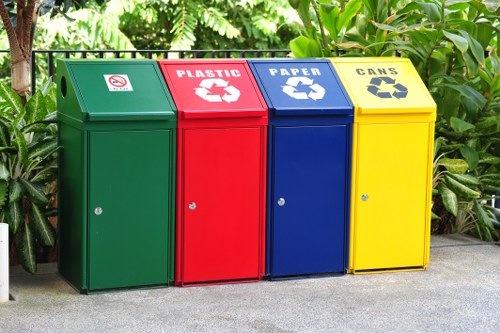 If the complainant is not satisfied with the outcome of the initial investigation, the complaint may be escalated to a senior review panel. The appeal should state the grounds for escalation and highlight any additional evidence or reasons why the original decision is believed to be incorrect or insufficient. The review panel conducts an independent re-examination of the case and provides a final determination.
 All complaints, findings and actions are recorded in a central complaints register to support transparency and continuous improvement. Records include the nature of the complaint, the investigation steps taken, outcomes, and any follow-up actions. Regular analysis of complaint trends informs service improvements, operational training and policy updates to reduce the risk of repeated issues across the commercial waste and refuse service area.
Timescales and Expectations: The procedure sets clear, pragmatic timescales for acknowledgement, investigation and final response, but some complex matters may require longer. Complainants will be kept informed of progress and any revised timelines. The organisation commits to clear communication and to resolving complaints in a manner that is proportionate, evidence-based and seeks to restore the agreed service standards.
By maintaining this procedure, the aim is to balance the needs of customers and the operational realities of managing commercial waste. The approach emphasises swift corrective action, transparent record keeping, and practical remedies where service failures occur. It supports a professional standard for handling disputes relating to commercial refuse, business waste collection and associated site operations.
Review and improvement: The complaints process itself is periodically reviewed to ensure it remains effective and aligned with regulatory expectations and industry best practice. Continuous refinement helps deliver a more reliable and accountable commercial waste service for business customers and stakeholders in the service area.
