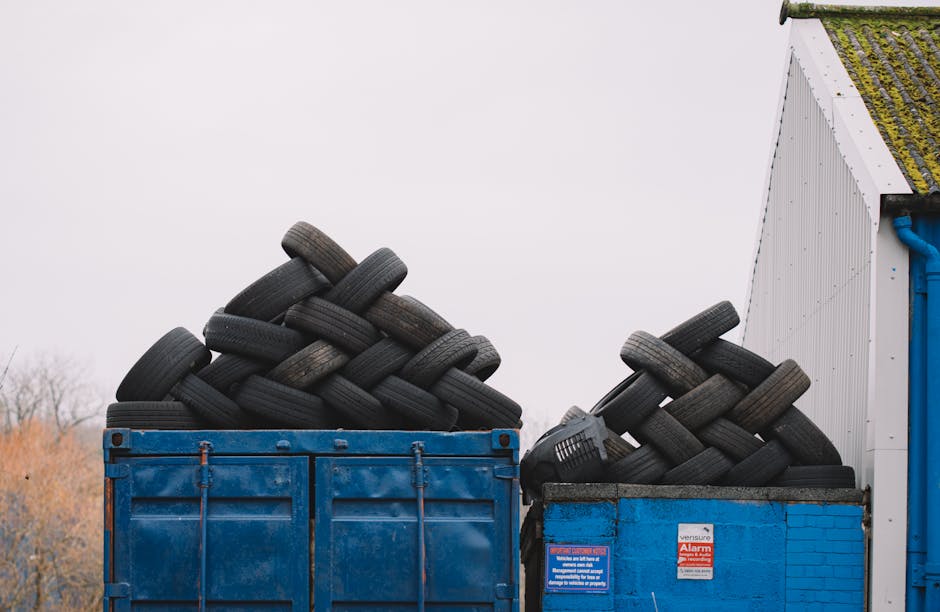
Brooklands Museum Bulky Rubbish Removal Options in Weybridge
If you are looking for Brooklands Museum bulky rubbish removal options in Weybridge, you are probably dealing with the kind of waste that is awkward, heavy, or just plain inconvenient. Old display materials, worn furniture, packaging from a fit-out, event leftovers, broken fixtures, and general bulky items can pile up fast. And let's face it, the last thing anyone wants is a back strain, a blocked storeroom, or a load of rubbish sitting around longer than it should.
This guide breaks down the practical ways to clear bulky waste near Brooklands Museum, what each option suits best, what to avoid, and how to choose a service that is fast, compliant, and sensible for Weybridge conditions. You will also find a simple checklist, a comparison table, and a realistic example to help you decide with less stress and fewer surprises.
Table of Contents
- Why Brooklands Museum bulky rubbish removal options in Weybridge Matters
- How Brooklands Museum bulky rubbish removal options in Weybridge Works
- Key Benefits and Practical Advantages
- Who This Is For and When It Makes Sense
- Step-by-Step Guidance
- Expert Tips for Better Results
- Common Mistakes to Avoid
- Tools, Resources and Recommendations
- Law, Compliance, Standards, or Best Practice
- Options, Methods, or Comparison Table
- Case Study or Real-World Example
- Practical Checklist
- Conclusion
- Frequently Asked Questions
Why Brooklands Museum bulky rubbish removal options in Weybridge Matters
Bulky rubbish has a habit of creating bigger problems than it first appears. A single sofa, a stack of old chairs, a damaged cabinet, or mixed waste from an exhibition, office move, or room clearance can quickly eat up valuable space. Around Brooklands Museum, where access, timing, and public-facing presentation may matter, that space matters even more.
For local businesses, museums, contractors, and organisers, bulky waste is not just an eyesore. It can get in the way of operations, make walkways cluttered, and create a less professional impression. If items are left in corridors, loading areas, or service spaces, they can also become a safety nuisance. People trip, things get damaged, and the whole job becomes messier than it needed to be. You know how it goes.
There is also the practical side. Bulky waste is rarely lightweight or straightforward. It may include timber, fabric, metal, appliances, or mixed materials that need separating. Choosing the right removal method can save time, reduce manual handling risk, and avoid the frustration of arranging several different disposal steps for one job.
In Weybridge, the smartest approach is usually the one that matches the volume, type, and urgency of the waste. A small load from a room clear-out is very different from a large set of items after a refurbishment. The right option depends on what is being removed, how quickly it needs to go, and whether anything needs special handling. Simple in theory. Not always simple in practice.
How Brooklands Museum bulky rubbish removal options in Weybridge Works
Most bulky rubbish removal services follow a similar process, but the details matter. Usually, you start by describing the waste, the location, and any access issues. That could mean stairs, narrow service routes, limited parking, or items that are awkwardly placed. The clearer the information, the smoother the job tends to be.
A good provider will normally help you work out whether the load is best suited to a one-off waste removal visit, a furniture-focused clearance, or a broader clear-out service. If the items are mainly old chairs, tables, display furniture, or office pieces, a furniture clearance approach may be the cleanest fit. If the waste includes mixed items from a larger end-of-use clean-up, a more general waste removal service may be more appropriate.
For heavier or awkward items, teams normally assess whether two-person lifting, dismantling, or extra loading time will be needed. A fridge, for example, is not just another bulky item; it may need specific handling, which is why fridge and appliance removal can be worth considering. Likewise, if the load includes a mattress or sofa, separate specialist handling may make life easier through mattress and sofa disposal.
In many cases, the process is straightforward: quote, collection, loading, sorting, and disposal. But the real value is in the sorting. Responsible operators separate recyclable materials where possible and deal carefully with anything that needs special treatment. That is where a well-run job feels calm instead of chaotic.
And yes, timing matters. If you need the space cleared before visitors arrive, or before a room is reopened, quick turnaround can be the difference between a tidy handover and a last-minute scramble.
Key Benefits and Practical Advantages
Choosing the right bulky rubbish removal option offers more than convenience. It can improve workflow, reduce risk, and make the whole space feel usable again. Sometimes the benefit is obvious the moment the van leaves and you can actually see the floor. A small miracle, really.
- Faster space recovery: bulky items disappear in one go, instead of lingering for days or weeks.
- Less manual handling risk: trained loading reduces the chance of injury when items are heavy, awkward, or unstable.
- Cleaner presentation: this matters around visitor-facing places, storage rooms, and shared spaces.
- Better sorting and disposal: mixed waste can be separated into recyclable and non-recyclable material where suitable.
- Less disruption: a managed collection is usually easier than organising multiple trips yourself.
- More predictable planning: if you know what is going, you can often schedule around it with less fuss.
There is also a quieter benefit: peace of mind. When bulky rubbish is dealt with properly, you are not left wondering whether it has been disposed of in a sensible way. That matters for businesses, facilities teams, and anyone who has to answer for the result later.
If the project is part of a wider move, renovation, or de-clutter, a broader service such as home clearance, house clearance, or even office clearance may give you better value than treating each item separately. The right fit depends on the mix of waste, not just the size of the pile.
Who This Is For and When It Makes Sense
This kind of removal is useful for a wide range of people, not just large organisations. In practice, the need often shows up during a transition point: after an event, before a refurbishment, at the end of a tenancy, or when storage space has simply reached its limit.
Typical situations include:
- museum or attraction teams clearing old display materials or event furniture
- facilities staff dealing with accumulated bulky waste in a back-of-house area
- contractors needing post-project clearance after fit-out or repair work
- office managers removing worn desks, chairs, or shelving
- households or landlords dealing with sofa, mattress, or appliance removal
- garage, loft, or home clear-outs where bulky items have built up over time
It also makes sense when items are too awkward for a standard car boot run to the tip. Honestly, that route sounds economical until you are faced with lifting a broken wardrobe down stairs on a wet afternoon and then queuing with everyone else. Not exactly a fun day.
If the bulky rubbish comes from a property or storage area rather than a commercial setting, a more tailored service such as garage clearance, loft clearance, or flat clearance may be a better fit. If the items are mainly old furniture, you can look at furniture disposal too.
Step-by-Step Guidance
If you want the process to feel tidy and controlled, a simple plan works best. Here is a practical approach that avoids most headaches.
- Identify exactly what needs removing. List the items, estimate the bulk, and note anything heavy, fragile, or likely to need dismantling.
- Separate general waste from special waste. Keep things like electricals, appliances, or anything potentially hazardous apart so they are assessed properly.
- Check access points. Measure doorways, stairwells, lifts, and parking access if needed. This sounds tedious, but it saves a lot of friction later.
- Choose the right service type. Furniture, appliances, mixed bulky waste, and construction debris often need different handling.
- Request a clear quote. Ask what is included: labour, loading, disposal, recycling, waiting time, and any restrictions.
- Prepare the area. Move smaller items out of the way and make the load easy to reach. That speeds things up more than people expect.
- Confirm timing and permissions. If you are in a managed site or shared premises, make sure the collection slot and access arrangements are agreed.
- Keep records if needed. Businesses often benefit from a note of what was collected, especially if waste audits or internal records matter.
If you are unsure how much can fit in one collection, it helps to compare your load with the guidance on what can go in a skip. Even if you are not using a skip, the same practical thinking applies: mixed loads, restricted items, and volume all affect the best method.
For jobs involving building debris, plasterboard, timber offcuts, or renovation waste, a dedicated builders waste clearance service may be the more efficient route. That is especially true after a fit-out where the waste is heavy but fairly predictable.
Expert Tips for Better Results
A few small decisions can make a bulky rubbish job much smoother. These are the things that tend to matter in the real world, not just on paper.
- Put the heaviest items nearest the exit. If something is awkward, give the crew the cleanest path possible.
- Photograph the load before collection. It helps with quote accuracy and avoids misunderstandings about volume.
- Group similar items together. Furniture, appliances, and mixed waste are easier to assess when they are not all tangled together.
- Ask about recyclable material. Wood, metal, cardboard, and some plastics may be diverted from disposal where suitable.
- Choose a time that avoids peak site activity. Early mornings or quieter windows are often easier for collections around busy locations.
- Be realistic about access. A short walk from the loading point can be fine, but it should be planned for rather than discovered mid-job.
A practical tip from experience: if an item feels like it will need two people, it probably does. No heroics required. Better to save the energy for something useful.
For more specialised loads, it can help to use the right service from the start. For example, office furniture, archives, and storage contents may fit better with business waste removal, while old chairs, sofas, and bedroom furniture may be better handled through mattress and sofa disposal.
Common Mistakes to Avoid
Most bulky waste problems are avoidable. The trouble is, people often only discover the mistake once the collection day arrives.
- Mixing special items with general waste. Refrigerators, chemicals, paint, and other restricted items should not be treated as ordinary clutter.
- Underestimating volume. A room full of items can look smaller online than it does in person. Very annoying, but true.
- Leaving access until the last minute. Locked gates, parked cars, or blocked corridors can slow everything down.
- Not checking what is included in the price. Some quotes are clear; some are not. It pays to ask.
- Trying to handle dangerous lifts alone. Heavy objects and awkward angles are a bad combination.
- Forgetting about sorting. If recyclable material is mixed in with general waste, you may make disposal less efficient.
Another common slip is assuming every item can go with the same collection. It cannot. A bulky rubbish load may contain furniture, appliances, and a few problematic items that need separate treatment. If hazardous materials are involved, use a dedicated hazardous waste disposal route and do not improvise.
And if confidential paper or documents are part of the pile, do not just stuff them in with everything else. Consider confidential shredding so sensitive information is handled properly.
Tools, Resources and Recommendations
You do not need a warehouse full of equipment to organise bulky rubbish removal, but a few basic tools and habits help a lot.
- Tape measure: useful for checking doorways, lifts, and item dimensions.
- Marker or labels: good for identifying keep, remove, and recycle piles.
- Phone camera: simple photos can clarify the job for everyone involved.
- Strong gloves and closed shoes: essential if you are sorting items before collection.
- Basic trolley or dolly: helpful for moving heavier items short distances if appropriate.
When choosing a provider, look for clear communication, sensible booking options, and a proper explanation of what they can and cannot take. For many people, the most useful pages are the pricing, booking, and service information. Start with pricing and quotes if you want to understand how estimates are usually structured, and use book online when you are ready to schedule without back-and-forth.
If sustainability matters to your organisation, check how recycling is handled. A provider that talks plainly about sorting, reuse, and diversion from landfill is usually easier to trust than one that avoids the subject. You can also review recycling and sustainability to see how a more considered approach is presented.
Law, Compliance, Standards, or Best Practice
Bulky rubbish removal is not just about convenience. There are real compliance and best-practice considerations, especially for businesses and managed sites. In the UK, waste should be handled responsibly, and the duty of care principle means you should be reasonably confident your waste is being managed correctly. You do not need to become a legal specialist, but you do need to ask sensible questions.
As best practice, you should:
- confirm that the waste will be collected and disposed of lawfully
- keep accurate notes for business waste, where appropriate
- separate hazardous or restricted items from general bulky waste
- use proper handling procedures for heavy items to reduce injury risk
- make sure access routes are safe for both crew and building users
Insurance and safety also matter. If a team is working around shared entrances, public-facing areas, or busy internal spaces, it is reasonable to expect clear procedures and suitable cover. A sensible provider should be able to explain its approach through insurance and safety and outline working standards in a straightforward way.
If you are dealing with a commercial premises, a simple, documented process is usually the smartest route. It helps with accountability, site coordination, and internal sign-off. Nothing dramatic. Just tidy, professional practice, which is what most people want anyway.
Options, Methods, or Comparison Table
There are several ways to deal with bulky waste near Brooklands Museum, and each has its place. The best choice depends on volume, urgency, item type, and how much lifting or sorting you want to handle yourself.
| Option | Best For | Strengths | Limitations |
|---|---|---|---|
| Bulk waste collection service | Mixed heavy items, fast removal, limited time | Convenient, labour included, good for awkward loads | May cost more than self-disposal for very small jobs |
| Furniture-focused clearance | Chairs, desks, sofas, cabinets, mixed furniture | Simple, targeted, often efficient for business and home clear-outs | Less suitable for rubble or hazardous items |
| Builders waste clearance | Renovation and fit-out debris | Good for timber, plasterboard, mixed construction waste | Not ideal if the load is mostly household items |
| Skip-based approach | Longer projects with ongoing waste generation | Useful for phased clear-outs and repeat filling | Needs space, permits or planning may be involved, and lifting is on you |
| Specialist item removal | Appliances, mattresses, sofas, confidential waste | Safer and more compliant for specific items | Can require separate arrangements for different item types |
For many people, the decision comes down to this: do you want a one-and-done removal, or do you want to manage the loading yourself over time? If you need speed and less strain, a direct removal service is usually the cleaner answer. If the waste will build gradually, a skip may be worth considering, but make sure you understand the practical limits first.
One useful reminder is to check item restrictions before committing. If you are unsure what can go where, the page on what can go in a skip can help frame the decision even if you end up choosing a different service.
Case Study or Real-World Example
Picture a typical scenario. A team near Brooklands Museum finishes a small update to a back-room space after months of items slowly building up. There are a few old office chairs, a broken shelving unit, some packaging, a spare desk, and a couple of awkward bits that nobody has wanted to deal with. Not huge, but definitely not something you want sitting there another week.
The first instinct is often to "deal with it later." Later, of course, becomes next Tuesday, then next month. In this case, the practical move is to separate the items, note the heavy pieces, and get a collection arranged for a quieter time of day. A crew arrives, checks access, loads the furniture, and removes the mixed waste in one visit. The room is usable again, and the staff can get back to the actual job instead of working around the pile.
That kind of result is common when the job is scoped properly. The key is not glamour. It is clarity. The clearer the load, the smoother the collection. Very simple, but people skip it all the time.
If the same scenario involved a complete office refresh, then an office clearance or wider business waste removal plan may have delivered better value, because the waste type and volume would justify a more structured approach.
Practical Checklist
Use this checklist before you book any bulky rubbish removal in Weybridge:
- Identify every item that needs to go
- Separate general waste, furniture, appliances, and anything hazardous
- Measure access routes if items are large or awkward
- Take photos of the load from more than one angle
- Decide whether you need one-off removal or a broader clearance
- Check whether dismantling is needed before collection
- Confirm timing, parking, and access arrangements
- Ask what is included in the quote
- Keep documents or confidential material apart from general waste
- Plan a clear path so the crew can work safely and efficiently
That is the kind of list that saves time twice: once before collection, and again on the day itself.
Conclusion
Brooklands Museum bulky rubbish removal options in Weybridge are really about choosing the right level of help for the job in front of you. If the waste is bulky, mixed, heavy, or time-sensitive, the best option is usually the one that keeps things simple, safe, and properly handled from the start. That may mean a furniture clearance, appliance removal, builders waste clearance, or a broader waste removal service depending on what you are clearing and how quickly it needs to happen.
The main thing is not to overcomplicate it. Clear the access, separate the items, ask clear questions, and pick the method that matches the load. Do that well, and the whole process becomes much less of a headache. And when the space is finally open again, it feels better than you expect. Quietly better, but still better.
Get a free quote today and see how much you can save.
If you are comparing service details, booking options, or company policies, it can also help to review the provider's about us page and terms and conditions so you know what to expect before the collection day arrives.
Frequently Asked Questions
What are the best Brooklands Museum bulky rubbish removal options in Weybridge for mixed waste?
For mixed bulky waste, a general waste removal or clearance service is often the best fit because it can handle different item types in one visit. That is usually easier than splitting the job into several separate collections.
Can bulky rubbish include furniture, appliances, and packaging together?
Yes, but it helps to know which items need special handling. Furniture, appliances, and packaging can often be collected together, although appliances and certain other items may need separate treatment.
Is a skip better than a collection service for bulky waste?
It depends on the job. A skip can work well for ongoing clear-outs or projects where waste is generated over time. A collection service is often better when you want the load removed quickly with less lifting and less hassle.
How do I know if an item is too heavy or awkward to move myself?
If you need to twist, carry, or lift at an awkward angle, it is usually better to get help. Large wardrobes, desks, sofas, and old appliances are common examples where two-person handling is sensible.
What should I do with a fridge or other appliance?
Appliances should be handled through a suitable appliance removal route rather than treated as ordinary rubbish. A fridge can need special care, so it is better to arrange proper fridge and appliance removal.
Can you remove sofas and mattresses separately?
Yes. Sofas and mattresses are often best handled through a dedicated service because they are bulky, awkward, and not always suitable for general waste streams.
How quickly can bulky rubbish be collected in Weybridge?
Timing depends on the provider, the load, and access. If the job is straightforward, collection can often be arranged quickly, but the safest approach is to check availability as early as you can.
Do I need to sort recycling before the collection?
It helps, but you do not need to make it perfect. Separate obvious recyclable items where practical, and let the removal team handle the final sorting where appropriate. That usually keeps the job efficient.
What if some of my items are confidential or sensitive?
Keep those items separate and arrange secure handling for them. Paper records, files, and similar material should not be dumped in with general bulky waste if they contain sensitive information.
Are hazardous items accepted with bulky rubbish?
Not usually. Hazardous materials should be identified in advance and handled through the correct route. If you are unsure, ask before collection rather than assuming they can be taken with everything else.
What information should I have ready before asking for a quote?
Photos, item counts, access details, approximate size, and whether anything needs dismantling are all useful. The clearer the information, the more accurate the quote is likely to be.
How can I make the collection day go smoothly?
Clear a path, separate the items, confirm access, and be ready at the agreed time. Small prep usually makes a noticeable difference. A tidy route and a clear plan go a long way.
For a straightforward next step, review the service that best matches your load and book the collection when it suits you. If the clutter has been bothering you for a while, getting it gone can feel strangely refreshing. A bit of breathing room changes everything.